
Why is fall a good time to plant in Maryland?
Fall gives a new tree or shrub three cooler seasons — fall, winter, and spring — to build roots before it ever has to face a Maryland summer. Air temperatures drop, which cuts stress on the top growth, while soil stays warm enough well into autumn for roots to keep developing underground. Rainfall also tends to be more consistent in fall than in the middle of summer, which means less supplemental watering to get a planting established.
What's the actual fall planting window?
Mid-August through mid-October is the sweet spot for most trees and shrubs in this area. Planting can extend into November or even early December in a mild year, but the real cutoff isn't a date on a calendar — it's whether the roots get roughly 4-6 weeks in the ground while soil temperatures stay above about 50°F, before the first hard freeze locks everything down.
Maryland gardeners generally work with two transplanting windows: mid-to-late fall, and late winter into early spring before new growth starts. A planting that's going in past mid-November is worth checking against the extended forecast rather than assuming it'll be fine.
Which trees and shrubs are better planted in spring instead?
A handful of species establish more reliably with a spring planting: dogwoods, magnolias, willow oaks, tulip poplars, and yellowwoods among them. That's not a rule against fall planting in general — it's specific to how those particular root systems handle the transition. Most other trees and shrubs common in Baltimore and Carroll County landscapes do well going in during early-to-mid fall.
Are evergreens different from deciduous trees and shrubs?
Somewhat. Needled evergreens keep losing moisture through their foliage all winter since they never go fully dormant the way a deciduous tree does, so they need a solid moisture reserve heading into cold weather. Broadleaf evergreens are more of a mixed bag: some, like boxwood and holly, transplant fine in early fall if they're watered deeply and mulched; others are safer left for spring.
Does it matter if a tree is balled-and-burlapped or container-grown?
Both can be planted successfully in fall. Container-grown stock tends to have an easier transition since the root ball isn't disturbed as much during planting, while balled-and-burlapped trees need a bit more care handling the root ball and getting burlap and wire baskets properly pulled back or cut away at planting. Either way, the same fall timing guidance applies.
What does a new planting need after it goes in the ground?
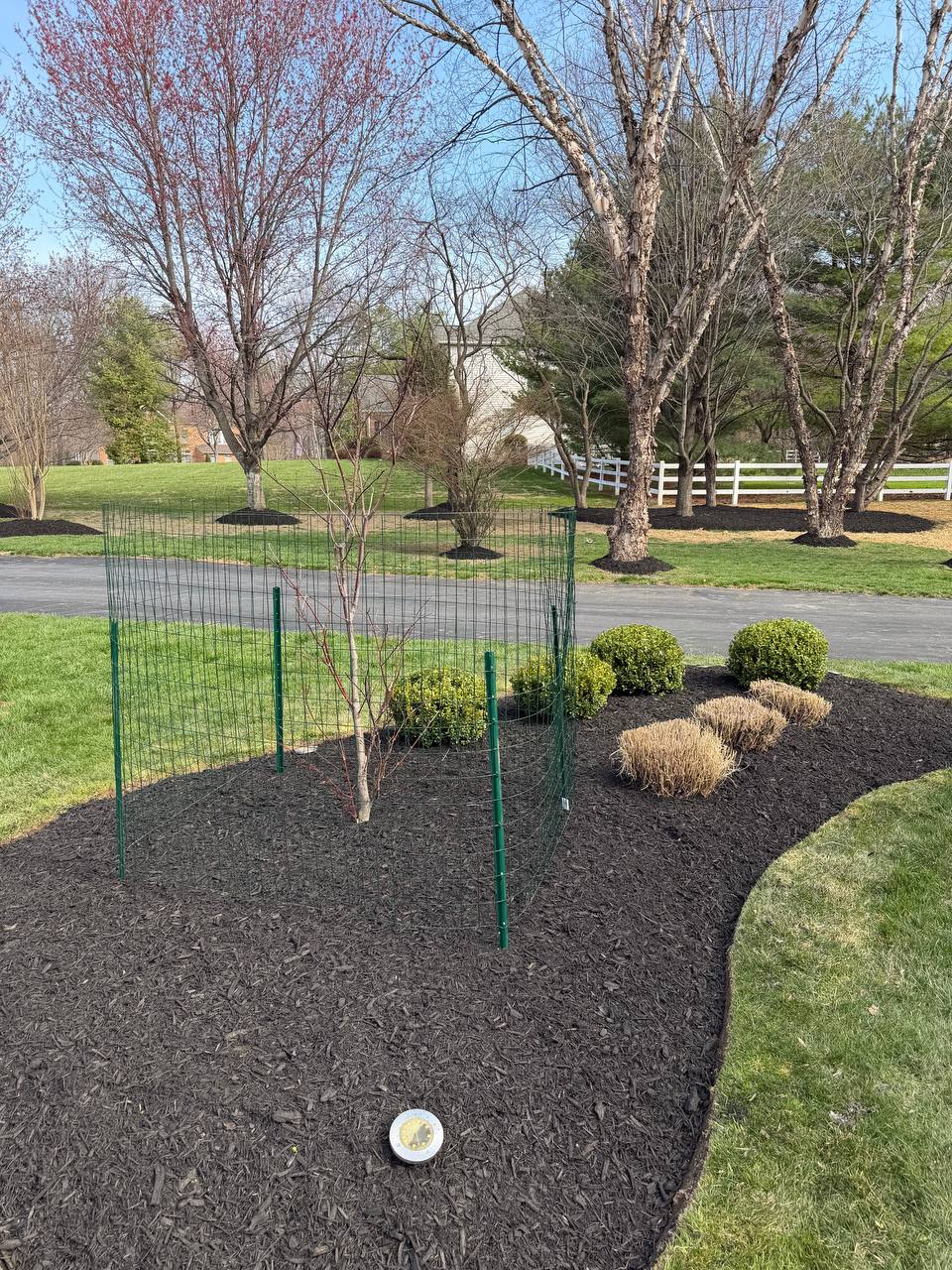
Consistent watering until the ground actually freezes — not just until it gets cold — plus a 2-3 inch mulch layer over the root zone, kept pulled back from the trunk itself. That combination holds soil moisture and moderates temperature swings through the newly planted tree or shrub's first winter, which is the period it's most vulnerable.