
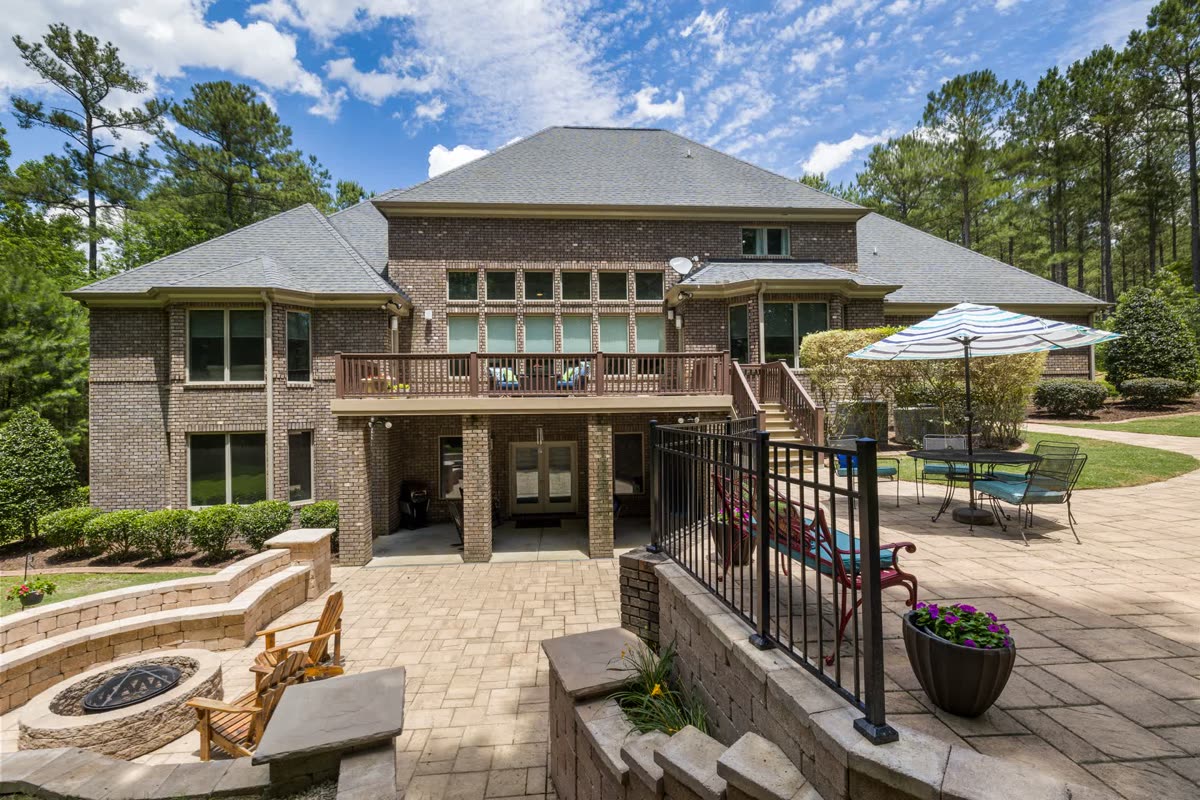
Green algae on a driveway or patio is common in Maryland, especially in shady, damp spots. It looks untidy and can make hard surfaces slick. The good news is that most algae can be removed, and simple habits can slow it down.
Why Shady, Damp Spots Turn Green
Algae needs moisture, shade and time. Driveways and patios that stay damp under trees, along the north side of a house or near downspouts give algae what it needs. Spring rains and humid summer days can speed growth. Once algae takes hold, it spreads across the surface and grows thicker each season.
Pavers, concrete and stone all collect algae. Smooth surfaces can be slippery when algae forms, so it is worth dealing with early. Look at where water sits after rain. Those spots often show the first green patches.
Start With a Close Look
Before you clean, walk the area. Note which spots stay wet, which get the most sun and where leaves or mulch collect. A quick walk tells you whether the problem is a single shady corner or a larger drainage issue. Walking the property together can help you plan the work before anything is scheduled.
How Algae Gets Removed
Light algae often comes off with a scrub brush and a mild cleaner. Work in small sections, rinse as you go and let the surface dry so you can check your results. Heavier growth usually needs pressure washing. Pressure washing lifts algae from the pores of concrete, pavers and stone when it is done with the right tools and settings.
Pressure is the key word. Too much force can etch concrete, scar pavers or push sand out of the joints. Too little leaves the algae behind. A careful crew can match the pressure to the surface and the level of growth.
Choosing the Right Cleaner
Some cleaners can help on certain surfaces, but they can also discolor stone, harm plants and leave residue. Read the labels and test a small area first. Keep cleaner away from grass and garden beds. Rinse thoroughly when you finish and think about where the runoff will go.
Slow the Growth Down
Good habits make a big difference. Sweep leaves and debris off hard surfaces often. Keep gutters clear so water does not run across the patio. Trim low branches to let more sun reach shaded areas. Check mulch and soil so water does not pool against the edge of the slab.
Sun exposure is one of the best natural tools you have. Where trimming is not an option, move furniture and planters so they do not trap moisture underneath them. Even a small change in light can make a real difference over a few months.
Drainage Problems That Keep Coming Back
If the same spot stays wet after every storm, the surface may not be the only issue. Low spots, poor slope and compacted soil can hold water in place. Fixing the grade or adding a simple drain may solve the problem for good. Regular cleaning will not fix water that never leaves.
Standing water can also stain pavers and wear down joints over time. A yard review can show where water moves and where it stalls, so you know what to fix first. Take a few photos of the problem spots as well. Photos help you track changes from season to season and make it easier to explain the problem to anyone who helps.
Protecting Pavers and Patios Over Time
Pavers need regular care to keep their good looks. Clean them on a steady schedule, refill joint sand when it washes out and check for loose stones after heavy rain. A simple cleaning every few months keeps the surface in better shape between bigger jobs. Sealing can help some surfaces resist staining, though it is not a cure for shade and moisture.
When Hardscape Work Makes Sense
Sometimes algae is a sign that a patio or walkway needs more than cleaning. Settling, uneven slopes or cracked surfaces hold water and invite growth. Repairing or resetting a section can improve drainage and make future cleaning easier. A walk through the space can show whether repairs or a new layout will serve you better. Hardscaping projects, such as paver patios and walkways, can be planned around the way water moves across your yard.
Questions to Ask Before You Hire
- Will you walk the property with me before scheduling any work?
- What surface will you clean, and what pressure will you use?
- Will you protect nearby plants and lawn during the job?
- How will you handle runoff and any cleaner you use?
- What can I do between visits to slow down new growth?
Serving Reisterstown and Nearby Communities
Green Diamond Landscaping LLC is a family-owned company based in Reisterstown, MD. We serve homes within about 25 miles of Reisterstown across Baltimore County and Carroll County, including Owings Mills, Pikesville, Towson, Westminster and Eldersburg. Our pressure washing service can clean driveways, patios, decks and fences. We offer same-day response to requests and walk the property with you before anything is scheduled.
Ready to get rid of those green patches? Call (410) 847-9393 for a free estimate. We will walk your property with you and talk through the cleaning and drainage options that fit your yard.
Frequently Asked Questions
Why does my driveway turn green in the shade?
Algae needs moisture, shade and time. Damp spots under trees or near downspouts give it what it needs, so growth often starts there first.
Will pressure washing damage my patio?
It can, if the pressure is too high for the surface. A careful crew matches the pressure to the material, whether it is concrete, pavers or stone.
How can I slow algae from coming back?
Sweep debris often, keep gutters clear, trim low branches for more sun and fix spots where water pools. These habits make a steady difference.
Do you offer free estimates?
Yes. Green Diamond offers free estimates and walks the property with you before anything is scheduled.