
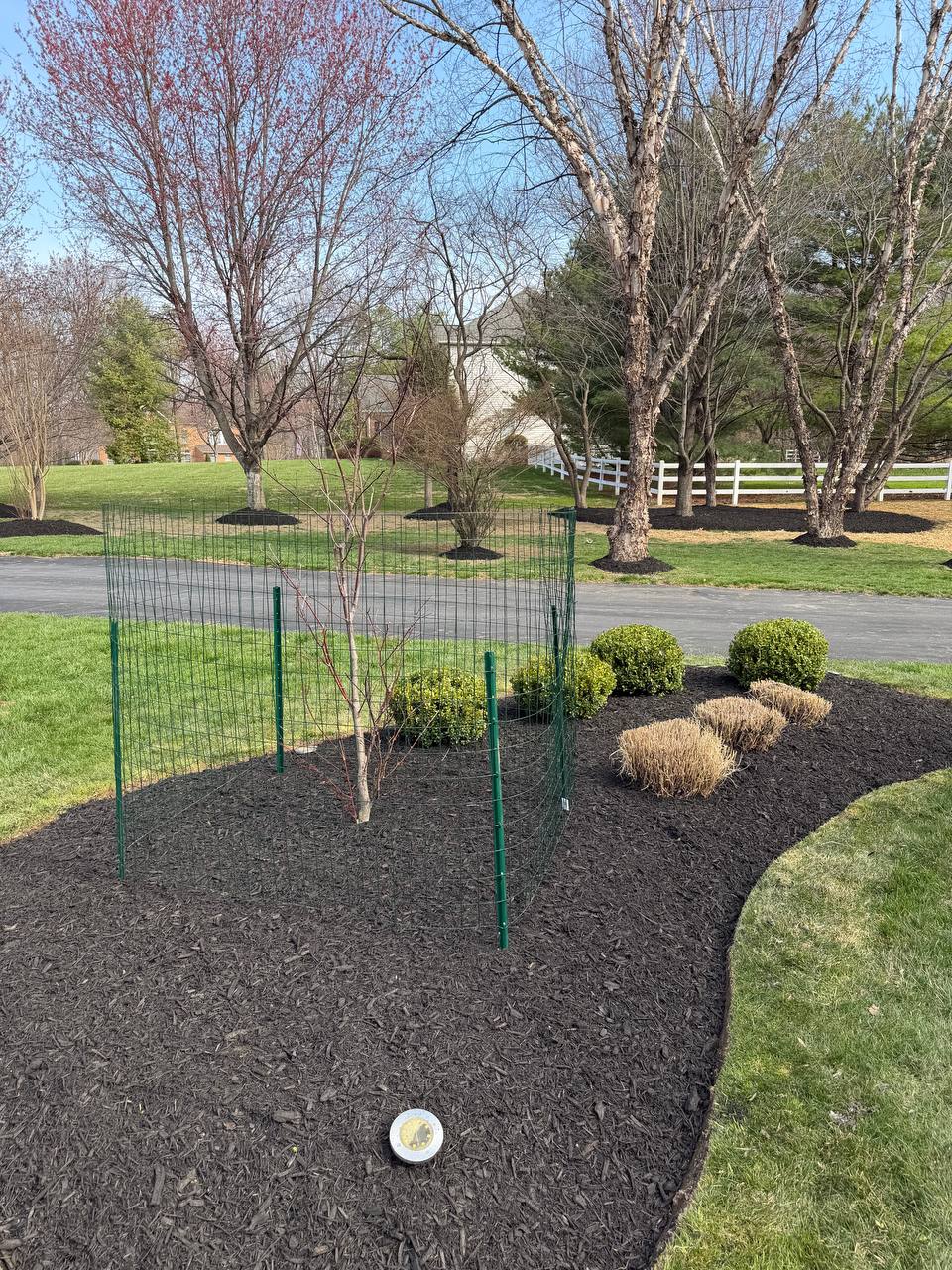
A good landscape bed starts with the shape of your yard and the sun it gets. Lay out the bed first, then pick plants that match the light and soil. Finish with edging that keeps mulch and soil where they belong. Planning in this order saves time and helps the bed look good for years.
Start With the Layout
Before you dig, walk the yard and look at how it is used. Note where people walk, where kids play, and where the mower turns. A bed should follow those paths, not fight them. Curved edges are easier to mow around than tight corners, and they often look more natural against a house or fence line.
Use a garden hose or a length of rope to mark the outline. Step back from the house and look at it from the street and from a window. Adjust the shape until it looks balanced. Spray paint works well for the final outline, but keep the markings light so you can change them.
Keep beds at a size you can care for. A large bed that you cannot weed is harder to enjoy than a smaller one that gets attention each week. Many homeowners start with one or two beds near the front entry and add more over time.
Read Your Sun and Shade
Plants fail most often because they get the wrong amount of light. Watch the bed for a full day if you can. Note where the sun hits in the morning, midday, and late afternoon. Also note where the shade from trees and the house falls.
- Full sun usually means six or more hours of direct light on most days.
- Part sun means about three to six hours, often morning sun with afternoon shade.
- Shade means little direct light, even in the middle of the day.
Place sun lovers in the brightest spots and shade lovers under trees or along the north side of the house. Mixing needs in one bed can work, but group plants with similar light needs so they all do well.
Know Your Soil
Many yards in Baltimore County have heavy clay soil. Clay holds water and can stay soggy after a storm, then dry hard in summer. Before you plant, dig a test hole about a foot deep and fill it with water. If the water drains slowly, the soil needs help.
Loosen the top layer of soil and mix in compost. This improves drainage and gives roots room to grow. Avoid working wet clay, since it can form hard clumps that roots struggle to push through. Wait until the soil is moist but not muddy.
Pick Plants That Fit Maryland
Choose plants that handle the Maryland climate. Cold winters, humid summers, and the occasional late frost all matter. Native and regionally adapted plants often handle local conditions well, and they usually need less help once established.
Plan for layers. Put taller shrubs or perennials toward the back of the bed, medium plants in the middle, and low groundcovers along the front. Group plants in odd-numbered clusters, such as three or five of one type, for a fuller look. Leave enough space for each plant to reach its mature size.
Ask your landscaper which plants will thrive in your sun, soil, and drainage. A few well-chosen plants usually beat a long list of plants that struggle.
Plan for Seasonal Color
A bed that looks good in spring can look empty in late summer. Add plants that bloom at different times. Early bulbs, summer perennials, and fall grasses or asters keep the bed interesting across the year. Evergreen shrubs give structure in winter.
Think about foliage, too. Leaves with different colors and textures add interest even when flowers are not blooming. Silver, deep green, and burgundy foliage can make a bed look full all season.
Prepare the Bed Properly
Remove grass and weeds from the bed area. You can dig them out, or you can smother them with cardboard and mulch for a few weeks before planting. Loosen the soil to a depth of about a foot. Mix in compost, then rake the surface smooth.
Set each plant at the same depth it grew in the pot. Planting too deep can cause stem rot, while planting too high can dry out the roots. Water each plant well after planting, and keep the soil moist during the first growing season.
Choose the Right Edging
Edging keeps mulch in the bed and grass out of it. It also gives the yard a clean, finished look. Common options include steel edging, stone, brick, and composite strips. Each has tradeoffs in cost, appearance, and how easy it is to install.
- Steel edging is thin and tidy, and it works well with curved beds.
- Stone or brick adds a formal look and suits patios and walkways.
- Composite or plastic strips are easy to install but may shift over time.
Set the edging so the top sits just above the grass line. This keeps the mower from scalping the edge and makes trimming easier. Check the edging each spring, since frost and soil movement can push it out of place.
Mulch, Water, and Maintenance
Spread mulch about two to three inches deep, and keep it pulled back from the base of woody plants. Mulch slows weed growth, holds moisture, and protects roots in summer heat and winter cold. Avoid piling mulch against trunks or stems.
Water new beds deeply, but less often, so roots grow down into the soil. Check the bed weekly during dry spells. Pull weeds while they are small, and trim dead growth in spring. A simple seasonal routine keeps the bed healthy without much effort.
Questions to Ask Before You Plant
Use these questions to plan your bed and compare landscapers:
- How much sun does this area get, and at what times of day?
- Does the soil drain well, or do I need to amend it first?
- Which plants will handle my sun exposure and Maryland winters?
- What edging will work with my mower and my home's style?
- How much mulch will I need, and how often should it be refreshed?
- Who will care for the bed during the first season?
Clear answers help you plan a bed that will look good for years, not just the first month.
Plan Your Towson Bed With Green Diamond
If you want help designing or planting a bed in Towson, Green Diamond Landscaping LLC is ready to help. We offer free estimates, and we walk the property with you before anything is scheduled. That gives us a chance to review the sun, soil, and layout together.
To learn more, visit our landscaping services page, or read about the Towson area we serve.
Call (410) 847-9393 to request your free estimate. Tell us about the bed you have in mind, and we will help you plan the next step.
Frequently Asked Questions
How deep should mulch be in a landscape bed?
Aim for two to three inches of mulch. Keep it pulled back from the base of trees and shrubs so the stems and trunks stay dry.
What is the best way to handle clay soil in Towson?
Loosen the top layer of soil and mix in compost to improve drainage. Work the soil when it is moist, not wet, so it does not form hard clumps.
How many plants should go in one bed?
It depends on the bed size and the mature width of each plant. Leave room for growth, and plant in odd-numbered groups for a fuller look.
Can I get a free estimate for a new bed?
Yes. Green Diamond Landscaping LLC offers free estimates and walks the property with you first. Call (410) 847-9393 to request one.