
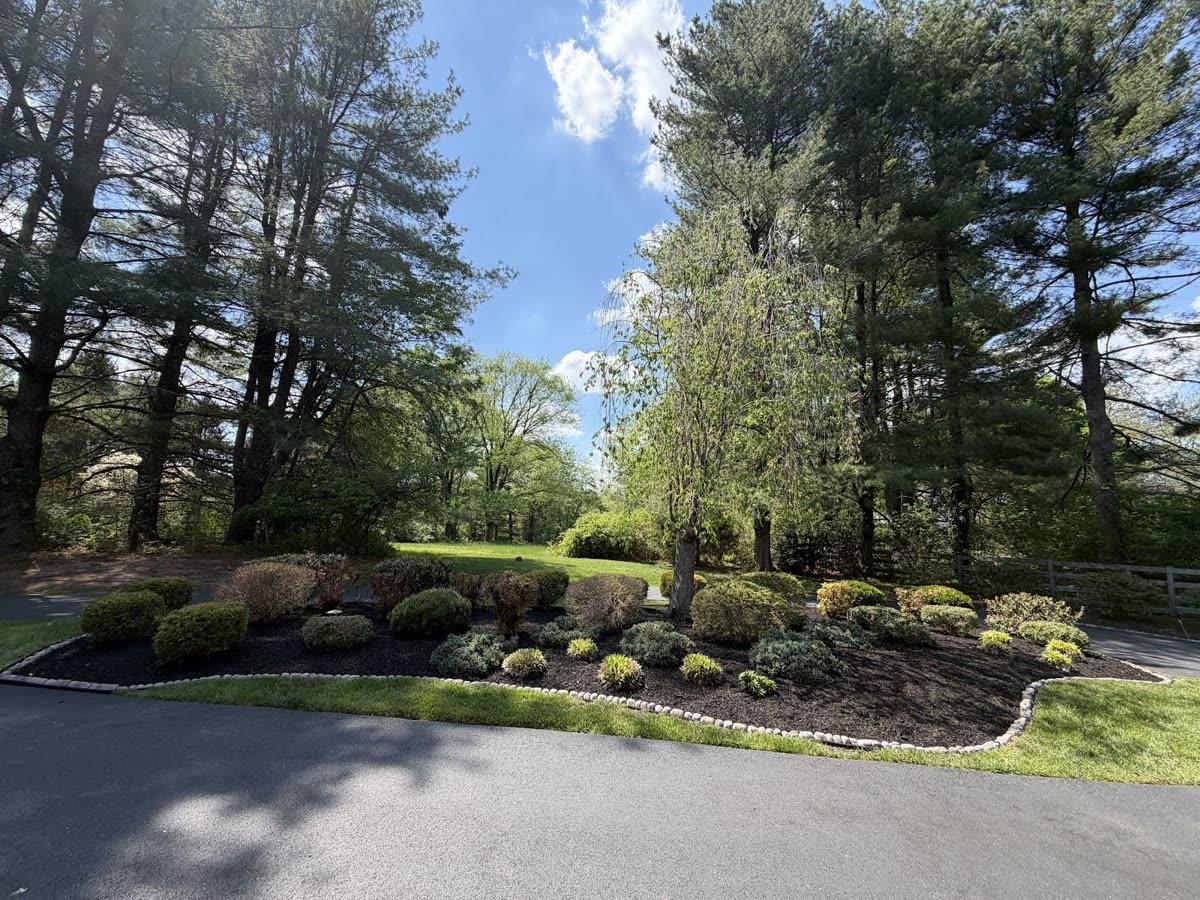
A good landscape in Owings Mills should look nice and stay manageable. Plan the beds, plants, and edging before you dig, and you will spend less time fixing problems later. Start with how you use the yard, then shape the planting around that.
Start with how you use the yard
Walk the yard and notice where people actually go. Look at the path from the driveway to the front door, the spot where kids play, and the area where you sit on warm evenings. Plants should frame those spaces, not block them. A bed in the middle of a walkway will get trampled, and a corner that stays wet may need a different plan.
Check how much sun each area gets. Morning sun is gentler than afternoon sun. Note shady corners under large trees, and spots that stay soggy after rain. These details decide which plants will thrive and which ones will struggle.
Choose bed shapes that are easy to mow around
Curved beds look soft and relaxed, but they can be harder to edge. Long, straight lines are simple to maintain but can look stiff. Most yards work well with a few gentle curves that follow the house or a walkway.
Keep beds wide enough for the plants you choose. Narrow strips dry out fast and need extra trimming. Island beds in the middle of a lawn look great, but they add more edges to cut. Make sure you can reach the center of the bed with a trimmer without crushing the plants.
Pick plants that fit the spot
Match each plant to the light, soil, and space you have. Read the mature size on the plant tag, then give it room to grow. Crowded plants need pruning every year. Plants that are spaced well stay healthy and need less work.
Mix plant heights and textures. Put taller shrubs toward the back or in the corners of a bed, mid-size perennials in the middle, and low groundcovers at the front. Layering keeps a bed interesting through the seasons. Include a few plants that bloom at different times, so something always catches the eye.
Native plants can also be a practical choice. Many are well suited to local weather and soil, so they often need less help once they settle in. Ask your crew which options fit the conditions in your yard.
Use edging that holds its line
Edging keeps mulch in the bed and grass out of it. Steel, stone, or a firm paver border holds a clean line for years. Plastic edging is simpler to install but can shift over time. Set the edge so mowers and trimmers can run along it without digging into the bed.
Cut the edge before you lay mulch. A crisp line makes the whole yard look finished, and it cuts down on weeds that creep in from the lawn. Walk the line once a season to fix any spots where the edge has sunk or pulled loose.
Mulch and soil come first
Mulch helps hold moisture, keeps the soil cooler, and slows weeds. Spread a layer deep enough to cover the soil, but pull it back from the trunks of shrubs and trees. Mulch piled against a trunk can hold water and invite rot.
Good soil makes everything easier. If the ground is packed down or heavy with clay, mix in compost before planting. Healthy soil helps roots grow deep, which means plants handle dry spells better.
Plan for upkeep before you finalize
Before you settle on a design, decide how much time you want to spend each season. A bed with many small plants needs more weeding than one with a few large shrubs. A yard with fewer, bigger beds is often easier to keep neat. Think about pruning, leaf cleanup, and watering too.
Water new plantings deeply and less often, rather than lightly every day. This helps roots reach down into the soil. After a storm, check the beds for washed-out mulch or plants that have shifted out of place.
Walk the yard with a pro
A walk-through is the best way to start. Our crew walks the property with you before anything is scheduled. We can point out sun and drainage issues, talk through bed shapes and edging, and explain what it takes to keep the plan looking good. Stone walkways and walls can be part of the plan too.
If a tree needs to come out to make room for a new bed, plan that step first. Tree removal and stump grinding are coordinated through a trusted tree-service partner. Finishing that work before planting keeps the new beds clean and safe.
If you want to see the range of work we handle, start with our landscaping services. For projects in the area, read more about landscaping in Owings Mills.
Green Diamond Landscaping LLC is a family-owned company based in Reisterstown, MD. We serve homes across Baltimore County and Carroll County, including Owings Mills, Pikesville, Towson, and Glyndon. We offer free estimates and same-day response to requests. Call (410) 847-9393 to plan your yard, and we will walk it with you before any work is scheduled.
Frequently Asked Questions
How far apart should I plant shrubs?
Check the mature width on the plant tag and space the plants so they have room to grow. Crowded shrubs need more pruning and can struggle with airflow.
What is the best edging for a yard in Owings Mills?
Steel, stone, or a firm paver border holds a clean line well. Plastic edging is simpler to install but can shift over time.
Should I put mulch right against tree trunks?
No. Keep mulch pulled back from the trunk. Mulch piled against a trunk can hold water and invite rot.
Do you offer a free estimate for a landscape plan?
Yes. Green Diamond offers free estimates and walks the property with you before anything is scheduled.