
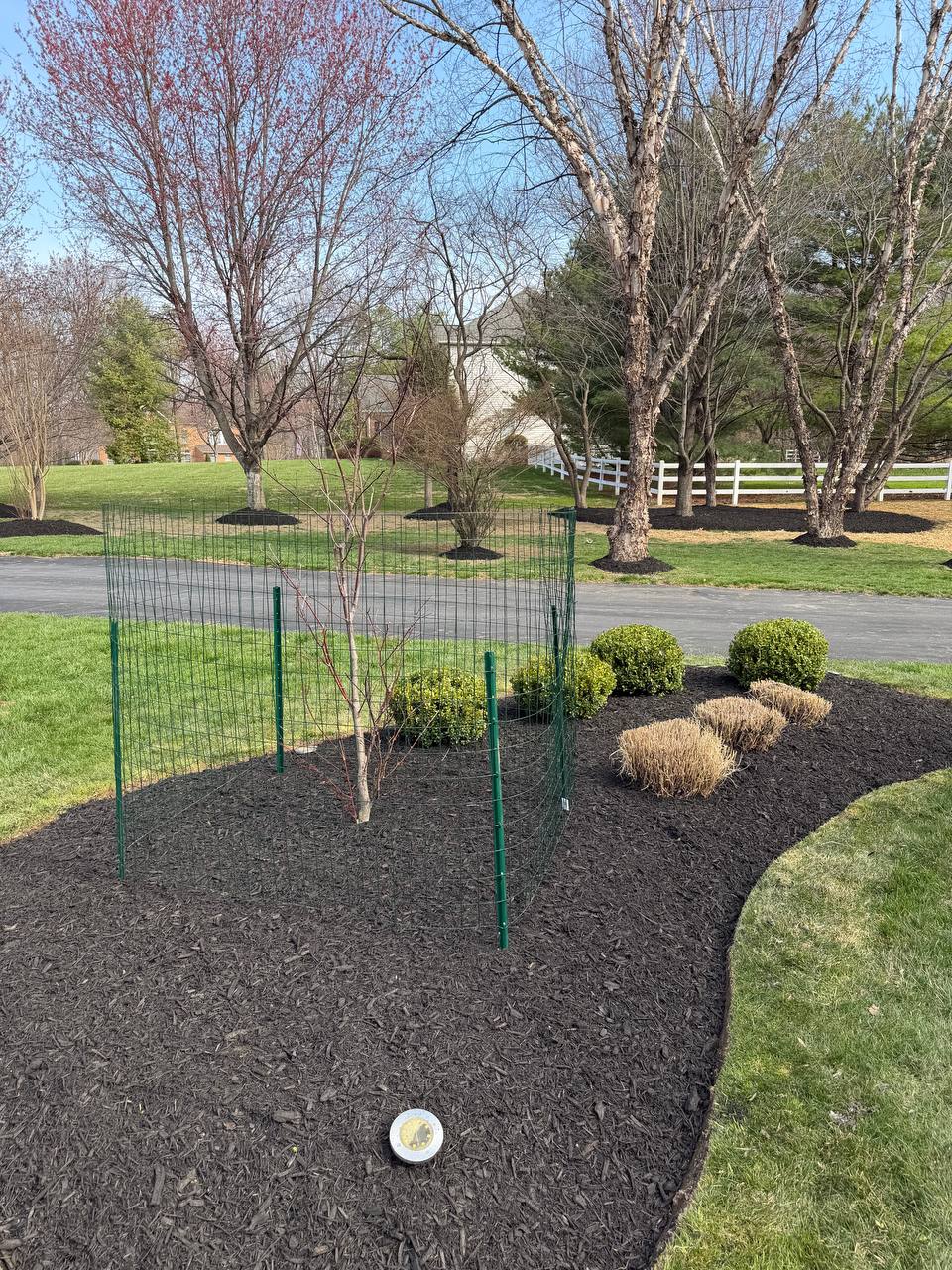
Native plants are a smart choice for many Maryland landscape beds. They grow naturally in this region, so they tend to handle local weather, soil, and wildlife well. Choose plants that match your sun, soil, and space, and your beds will look better with less work over time.
Why native plants suit Maryland beds
Native plants evolved alongside local insects, birds, and pollinators. Many of them support the wildlife that shares your yard. They also fit the seasons we get here, from hot, humid summers to cold winters. Once established, many native perennials need less watering and less fussing than plants shipped in from far away.
Native plants also add structure and color through the year. Spring bloomers, summer flowers, and fall seed heads give a bed interest in every season. Mixing plant heights and textures keeps the bed from looking flat.
Good native choices for Maryland beds
Your choices depend on sun, soil, and the look you want. These plants are popular picks for many Maryland yards:
- Black-eyed Susan for full sun and bright yellow flowers in summer.
- Purple coneflower for sunny beds and a long bloom season that pollinators enjoy.
- Bee balm for part sun and moist soil, with red or pink blooms.
- Wild columbine for partial shade and cheerful spring flowers.
- Little bluestem for a native grass that stands up well in sun and adds texture.
- Serviceberry for a small tree or large shrub with early spring blooms and berries.
Before you buy, check the plant tag for its light and water needs. A plant that wants shade will struggle in a hot, sunny bed.
Plan your bed before you plant
Start with a simple sketch of the bed. Note where the sun hits in the morning and in the afternoon. Then look at the soil. Some yards in Baltimore County and Carroll County have heavy clay, while others have sandy or rocky spots. Water drains differently in each. A quick test helps: dig a hole, fill it with water, and see how fast it empties.
Group plants with similar needs together. Place taller plants toward the back of the bed, so they do not shade shorter plants. Plant in groups of three or more for a fuller look. Leave room for each plant to grow to its mature size.
How to plant native plants the right way
- Plant in spring or early fall, when the weather is mild and roots can settle in.
- Dig a hole about twice as wide as the root ball, but no deeper than the root ball.
- Loosen the roots gently before setting the plant in the hole.
- Backfill with the native soil, and water well to settle it.
- Spread two to three inches of mulch around the plant, but keep it off the stems.
Caring for native beds through the first year
Water new plants regularly during their first season. Deep watering once or twice a week is better than light daily sprinkles, especially during dry spells. Pull weeds while they are small, because weeds compete hard in new beds. Check new plants every few days during hot spells, and look at the leaves for signs of stress. Early attention is easier than fixing a struggling plant later.
Go easy on fertilizer. Many native plants grow well in average soil, and too much feed can make them floppy. Cut back spent flowers if you want a tidier look, but consider leaving seed heads in fall. They feed birds and add winter texture to the bed.
Native plants and your lawn
Your beds and your lawn work together. Keep mulch away from the trunks of trees, and keep lawn edges crisp so the bed looks finished. Mulch also helps the soil hold moisture and keeps weeds down. Edge the bed cleanly so grass does not creep in. A clean edge makes the bed easier to mow around and easier to maintain through the seasons. Our lawn care service can help keep the turf around new beds healthy.
When to bring in a professional
A small bed is a good weekend project for many homeowners. A large bed with grading issues, drainage problems, or heavy clay may need more planning. If you are unsure, ask for help before you dig. Good landscaping starts with a plan, and a plan saves money and effort later.
Working with a local landscaper
Green Diamond Landscaping LLC is a family-owned landscaping and lawn care company based in Reisterstown, MD. We serve homes within about 25 miles of Reisterstown, across Baltimore County and Carroll County, including Owings Mills, Towson, Westminster, and Sykesville. We walk the property with you before anything is scheduled. Our landscaping and garden design services can help you plan a bed from start to finish.
Next steps
Start with a sketch, check your sun and soil, and choose plants that fit the spot. Plant in the right season, water through the first year, and keep weeds under control. Small steps add up to a bed that looks good and supports local wildlife.
Ready to plan your native bed? Request a free estimate from Green Diamond Landscaping in Reisterstown, Owings Mills, or Westminster. We offer same-day response to requests. Call (410) 847-9393 today.
Frequently Asked Questions
What are native plants?
Native plants grow naturally in a region without being introduced by people. In Maryland, they are adapted to local weather, soil, and wildlife.
Do native plants need less care?
Often, yes, once they are established. They still need regular water and weed control during their first season.
When is the best time to plant native perennials?
Spring and early fall are good times, when the weather is mild and roots can settle in before extreme heat or cold.
Can Green Diamond help plan a native bed?
Yes. We walk the property with you before anything is scheduled, and we offer free estimates for landscape projects.