
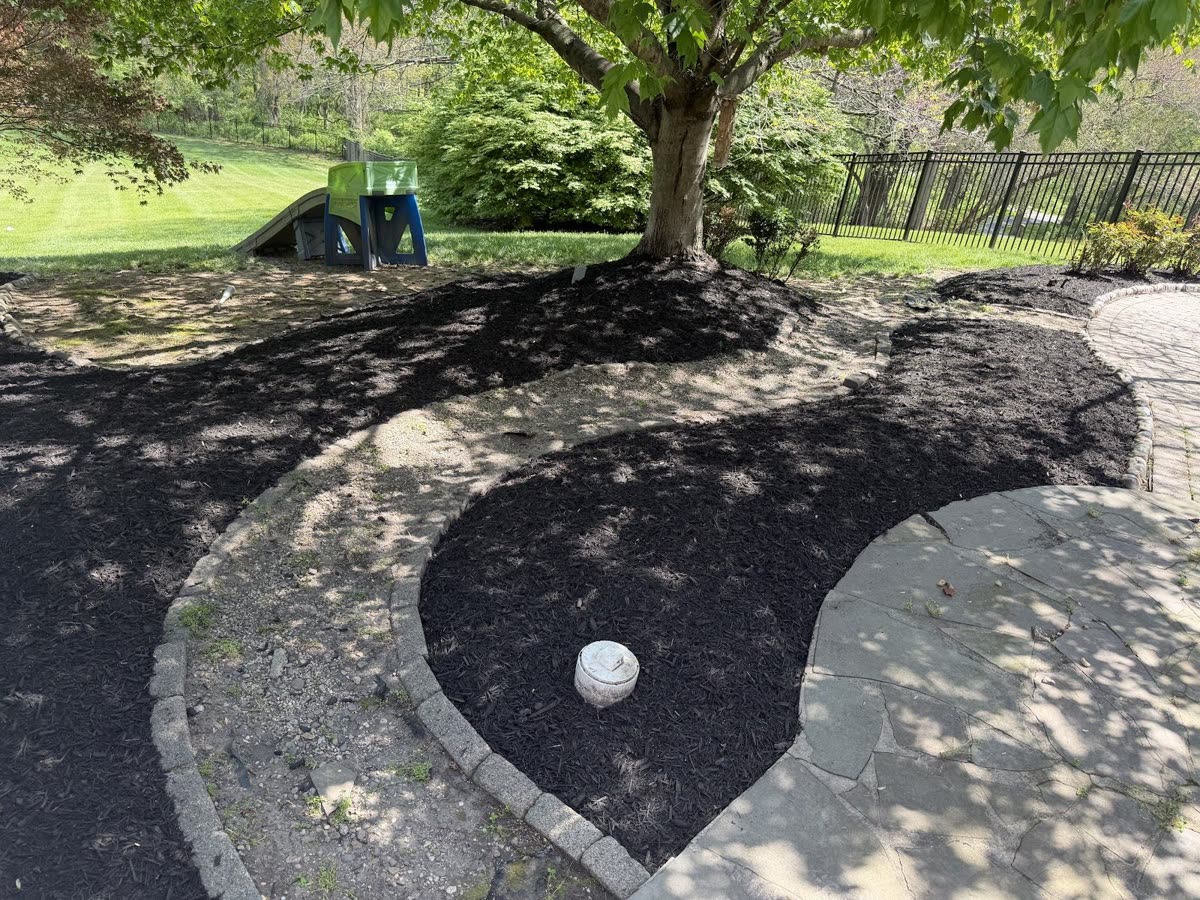
A paver patio or walkway lasts longest when the base is built right. Plan the layout, the drainage, and the edging before anyone digs. Then choose pavers that suit your yard and your daily use. Good planning now prevents sinking, shifting, and weeds later.
Start with how you will use the space
Before you pick a color or shape, think about daily life. Will the patio hold a dining table and chairs? Is the walkway for guests, or for daily trips to the garage? Do you want a fire pit or a grill nearby? Each use changes the size, the slope, and the thickness of the base.
Sketch the area on paper, or walk it with a garden hose laid on the grass. Mark where the sun falls during the day. Note where water collects after a heavy rain. These simple checks help you shape a layout that fits your yard.
Plan the drainage before the pavers
Water is the biggest enemy of a paver surface. A patio should slope gently away from the house so rain runs off instead of pooling. Walkways need the same care. Check for low spots, downspouts, and nearby slopes that send water across the surface.
In Westminster, winter freeze and thaw cycles can push and pull on the ground. Water that gets under the base can heave the pavers over time. A good drainage plan keeps that water moving away from the structure.
Understand the base
The base is the hidden part of the project, and it matters most. Crews usually dig out the area, remove topsoil and roots, and then build the base in layers. Crushed stone is spread and compacted in thin passes. A thin layer of sand sits on top so the pavers can be set level.
Ask your contractor how they prepare the base. A rushed base leads to dips, cracks, and uneven joints. A careful base holds its shape for years. Ask to see the depth and the compaction process before the pavers go down.
Choose the right paver and pattern
Pavers come in many shapes, sizes, colors, and textures. Some styles are simple rectangles that lay in clean rows. Others are interlocking shapes that create a pattern. Textured pavers can feel less slippery when wet. Smooth pavers look sleek but may need more care in shaded areas.
Patterns affect cutting and waste. Curves, borders, and border bands take more time to set. Straight patterns usually move faster to install. Ask how the pattern will meet walls, steps, and planting beds.
Decide on edging
Edging holds the pavers in place. Without it, the edges can spread or drop over time. Common options include concrete curbs, metal restraints, and stone edging. Each has its own look and feel. A curved walkway may need flexible edging that follows the shape cleanly.
Good edging also helps keep grass and mulch away from the surface. Clean lines make a yard look finished. Ask your contractor which edging works best for your layout and your soil.
Think about joints and sand
The joints between pavers hold the system together. Joint sand locks the pavers in place and keeps weeds down. Over time, rain and foot traffic can wash some sand away. Plan to top off the joints as part of routine care.
Ask what type of sand your crew will use. Some sands harden in the joints, while others stay loose and need periodic refilling. Pick the option that fits your maintenance plans.
Plan around existing features
Look at what is already in the yard. Trees, shrubs, light poles, irrigation lines, and underground utilities all affect the layout. Call before you dig to locate utility lines. Keep tree roots in mind, since they can lift pavers if the base is too close.
If you plan to remove a tree or stump, coordinate that work first. Green Diamond Landscaping LLC coordinates tree removal and stump grinding through a trusted tree-service partner. That way the site is clear before the base work begins.
For a closer look at our hardscape options, visit our hardscaping services page. It covers patios, walkways, and stone work for Maryland yards.
Plan the landscaping around the hardscape
A patio looks best when the plants around it are chosen with care. Pick plants that fit the sun and shade on the site. Leave room for growth so the shrubs do not crowd the paver edge. Add mulch beds to soften the edges and keep soil in place.
Our crews also handle lawn care and seasonal cleanups. That helps the new hardscape look fresh through each season. For a broader view of your yard, read our guide on landscaping in Westminster.
Questions to ask before you sign
Bring a short list to your first meeting. Ask how the base will be built and how deep the excavation will go. Ask about drainage and how water will leave the surface. Ask which pavers and patterns you are considering, and what each one costs to install in plain terms. Ask how edging, joints, and cleanup will be handled.
Ask about the schedule too. Find out when work starts, how long it may take, and how the crew will protect your lawn and plants. A clear plan makes the project easier to trust.
Why Westminster homeowners call us
Green Diamond Landscaping LLC is a family-owned landscaping and lawn care company based in Reisterstown, MD. We serve homes across Baltimore County and Carroll County, including Westminster, Eldersburg, Sykesville, Finksburg, and Glyndon. We walk the property with you before anything is scheduled, so the plan matches your yard.
We respond the same day to most requests. That gives you a clear next step while your ideas are still fresh.
Decide on your patio or walkway
A paver patio or walkway is an investment in daily comfort. Start with how you will use the space. Plan the drainage, understand the base, and choose a paver and pattern that suit your yard. Decide on edging and joints, and plan around existing features. Ask clear questions before you sign.
Ready to plan your project? Call Green Diamond at (410) 847-9393 for a free estimate. We will walk the property with you, talk through your options, and explain the next steps in plain language.
Frequently Asked Questions
How do I start planning a paver patio in Westminster?
Start with how you will use the space and where water collects after rain. Sketch the area, mark the sun, and walk the site before you choose pavers or a pattern.
Why does the base matter so much?
The base carries the weight and keeps the surface level. A rushed or thin base can lead to dips, cracks, and shifting pavers over time.
Do I need edging for a paver walkway?
Yes, edging helps hold the pavers in place and keeps grass and mulch from creeping onto the surface. Ask which option fits your layout and soil.
Can you remove a tree before the patio is built?
Tree removal and stump grinding are coordinated through a trusted tree-service partner, so the site can be cleared before base work begins.