
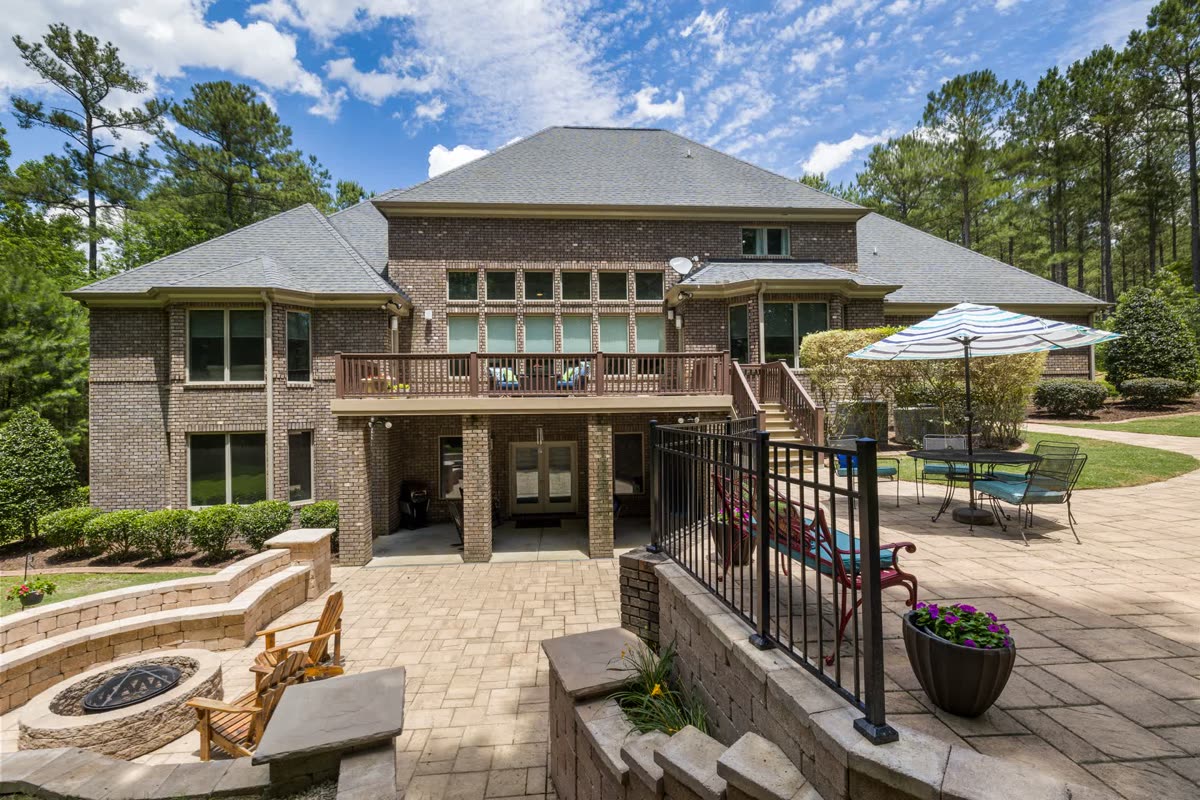
Pressure washing can bring a dull driveway or patio back to life in an afternoon. It works best on concrete, pavers, brick, and sealed stone. It can lift dirt, mildew, algae, and many oil spots. Good prep before the crew arrives makes the results cleaner and safer for your plants.
Which Hard Surfaces Suit Pressure Washing
Concrete driveways are the most common job. A pressure wash lifts dirt and algae from the surface and leaves the slab looking fresh. Concrete with heavy staining may need a cleaner added to the water before the rinse.
Paver patios and walkways also clean well. The water lifts dirt from the joints and the top of each paver. Pavers with loose sand in the joints may need fresh sand after cleaning. Brick and natural stone are good candidates too, but they need a lighter touch. Too much pressure can etch soft stone or chip old mortar.
Some surfaces need more care. Wood decks can splinter under high pressure. Older concrete may already be cracked or flaking. Ask for a walk-through before any work starts. A good crew checks the surface first and adjusts the pressure to match.
What Pressure Washing Removes and What It Does Not
Pressure washing lifts loose dirt, pollen, mildew, algae, and the thin dark film that grows on shaded surfaces. It can also lift everyday marks, such as tire marks and leaf stains. It is less effective on deep stains that have soaked into concrete for years. Rust, old paint, and heavy oil often need a special treatment.
Keep your expectations realistic. A pressure wash makes a surface look much cleaner, but it does not replace a repair. Cracks, loose pavers, and sunken spots will still show. If you plan to seal the surface later, let it dry completely first.
Prep the Area Before the Crew Arrives
Preparation saves time and protects your property. Move patio furniture, planters, grills, and small toys out of the work area. Clear the driveway of cars, bikes, and trash bins. A clear space lets the crew work safely and finish faster.
- Move furniture, grills, and planters away from the patio.
- Clear vehicles, bikes, and bins from the driveway.
- Close windows and doors near the work area.
- Cover outdoor outlets and light fixtures with plastic if they are exposed.
- Note any loose pavers, cracks, or stains you want the crew to see.
Water the plants near the work area the day before if the soil is dry. Plants under stress can suffer more from spray and runoff. Let the crew know which plants you want protected.
Protecting Plants and Lawn During the Wash
Runoff from pressure washing can carry dirt and cleaner onto nearby beds. Ask the crew which cleaners they use and how they manage runoff. Mild cleaners are often a better choice around flowers and shrubs.
Cover sensitive plants with a tarp or wet them down before the job. Rinse the surrounding area after the wash. These steps reduce stress on the plants and keep soil from building up on your lawn.
Timing Your Pressure Wash in Maryland
Spring and early fall are good times for pressure washing. Pollen can build up in spring, and leaves and mildew build up in fall. Dry weather helps the surface dry faster after the wash. Plan around rain, since wet surfaces need time to dry before sealing.
Summer works too, but early morning is cooler and easier on both the crew and the plants. Avoid washing in direct, hot sun when possible. Water can dry in streaks on hot concrete.
What a Typical Visit Looks Like
A good visit starts with a conversation, not a spray. Green Diamond walks the property with you before anything is scheduled. That is the time to point out each surface you want cleaned, along with any stains, cracks, or loose pavers you have noticed.
Ask how the crew will protect siding, windows, and light fixtures during the wash. A clear plan for each area shows that the team has thought about your home, not just the driveway.
After the wash, take a few minutes to look at the results in daylight. Clean edges and even color are good signs. If a spot still looks dark, mention it before the crew leaves so it can be checked.
Questions to Ask Before You Book
- Which surfaces will you wash, and which will you skip?
- What cleaner do you use, and how do you handle runoff?
- How do you protect plants, lights, and siding?
- Will you walk the property with me before the job?
A clear answer to each question tells you how careful the crew will be.
Book Your Pressure Washing With Green Diamond
Driveways and patios take a lot of wear, so a clean surface is worth the effort. Our pressure washing service covers driveways, patios, and walkways for homes in Reisterstown and nearby communities. If your patio needs more than a wash, our team can also talk through hardscaping options.
We serve homes within about 25 miles of Reisterstown across Baltimore County and Carroll County, including Owings Mills, Eldersburg, and Westminster. We walk the property with you before anything is scheduled, and our estimates are free. Call Green Diamond at (410) 847-9393 for a free estimate today.
Frequently Asked Questions
Can pressure washing damage my driveway?
It can if the pressure is too high for the surface. A good crew checks the concrete first and adjusts the pressure to match its condition.
Does pressure washing remove oil stains?
It can lift many oil spots, especially fresh ones. Deep stains that have soaked into concrete for years often need a special treatment.
Should I wash my patio before or after sealing?
Wash first, then let the surface dry completely before sealing. Wet surfaces do not take a sealer well.
Is the estimate free?
Yes. Green Diamond offers free estimates, and we walk the property with you before anything is scheduled. Call (410) 847-9393 to set one up.