
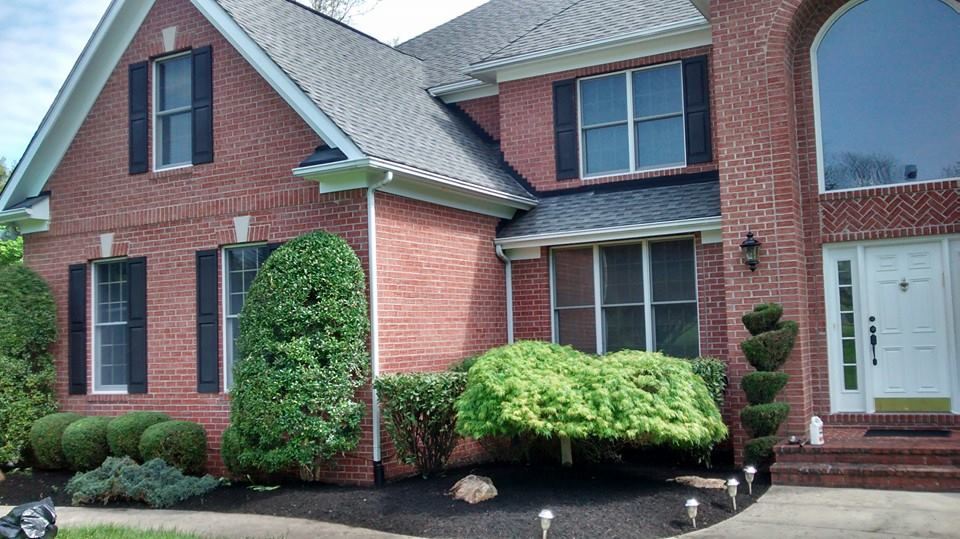
The best order for spring pressure washing starts with the surfaces that hold the most winter grime. Walks and driveways come first. Patios and steps come next, then siding, decks, and fences. Working in this order keeps dirt from splashing back onto clean areas and helps your yard look fresh faster.
Why Order Matters When You Wash in Spring
Spring washing is easier when you plan the sequence. Dirt and algae loosen as you work, and water runs downhill. If you clean the siding before the walk, grime can splash onto the concrete you already scrubbed. A simple plan saves time and avoids repeat work.
Start by walking the yard. Note the areas that look dull, slick, or stained. Check for loose boards, cracked pavers, and soft spots. Those details help you decide what needs attention first and what can wait for a later visit.
Step One: Walks and Driveways
Walkways and driveways collect the most winter residue. Salt, leaves, oil drips, and dirt build up over the cold months. They also show green or dark algae in shady spots. Start here because these surfaces are usually the largest and most visible areas on your property.
Clear the surface before you wash. Sweep away loose leaves, grit, and debris. Move potted plants and furniture out of the way. Then work in sections from the top down, so the dirty water flows toward the lawn and not across clean concrete.
Step Two: Patios and Stone Work
Patios and stone steps come next. Paver patios and natural stone can hold dirt in joints and pores. Pollen and tree sap also settle on the surface during spring. A careful wash removes the film without damaging the stone or the joint sand.
Check the joints after washing. If sand has washed out, plan a repair before the next rain. Stone work looks best when the surface is clean and the joints are full. A quick look now helps you catch small problems early.
Step Three: Siding and Exterior Walls
Siding is next. Maryland homes often collect mildew, pollen, and dirt on the north and shaded sides. Vinyl, fiber cement, brick, and wood each need a different approach. Some surfaces need a gentle touch, while others can handle more force. Ask your crew which method fits your home before any work begins.
Work from the bottom up on siding when you can. This method helps prevent streaks. Keep the spray moving and rinse each section well. Clean siding shows the true color of the paint and trim, which can make the whole home look newer.
Step Four: Decks, Fences, and Other Wood
Decks and fences need extra care. Wood can weather gray, and it can hold moisture. Gentle cleaning helps remove the surface layer without roughening the grain. Wait for the wood to dry before you add stain or sealer. Your crew can tell you when the surface is ready for the next step.
If a deck or fence has peeling finish or soft boards, note those spots. Washing alone will not fix rot or failed coatings. Plan repairs first, then clean and finish the wood.
Step Five: Gutters, Trim, and Details
Gutters and trim often get forgotten. Pollen and seed pods can clog gutters and stain the fascia below them. Clean these details after the main surfaces, so falling debris does not land on fresh work. Look at window sills and light fixtures too. A few small details can change how the whole home looks.
Common Mistakes to Avoid
Many homeowners make the same few mistakes each spring. Using too much force can damage wood, old paint, and soft mortar. Spraying directly under siding can push water into gaps. Skipping the rinse leaves cleaning solution on plants and grass. Washing on a hot, sunny afternoon can cause streaks. Early morning or a cooler part of the day often works better.
Protect your plants before you start. Cover tender shrubs and flowers. Water them well after the wash to help them recover from any cleaning solution that reaches the soil.
Plan Your Spring Washing With Help
Some homeowners prefer to do the work themselves. Others want a team to handle the full list. A professional crew brings the right tools and knows how to adjust for each surface. If you are not sure where to start, a walk-through can help you set priorities for the season.
How Green Diamond Helps Maryland Homeowners
Green Diamond Landscaping LLC is a family-owned landscaping and lawn care company based in Reisterstown, MD. We serve homes within about 25 miles of Reisterstown, across Baltimore County and Carroll County. We walk the property with you before anything is scheduled, so you know exactly what will be cleaned and why. Learn more about our pressure washing services and how they fit into a seasonal plan.
Pair Washing With a Spring Cleanup
Pressure washing works well with a seasonal cleanup. Clearing beds, removing winter debris, and refreshing mulch can happen on the same visit. A combined plan helps the whole yard look ready for warm weather. Read about our seasonal cleanup services to see how the two fit together.
Request a Free Estimate in Westminster, Towson, and Beyond
Spring is a busy season for Maryland yards, and it helps to plan early. Whether your home is in Owings Mills, Eldersburg, Sykesville, Westminster, Pikesville, Towson, Finksburg, or Glyndon, we are ready to help. We offer free estimates and same-day response to requests. Call (410) 847-9393 to request a free estimate and set your spring washing order.
Frequently Asked Questions
What should I pressure wash first in spring?
Start with walks and driveways. They hold the most winter grime. Then clean patios, siding, decks, and fences in that order. Working top down keeps dirty water off clean areas.
Can pressure washing damage siding or wood?
It can if the force is too high or the spray is aimed the wrong way. Each surface needs a different approach. Ask your crew which method fits your home before the work begins.
Do I need to clean gutters before pressure washing?
It helps to clean gutters and trim after the main surfaces. That way falling debris does not land on fresh work.
Do you offer free estimates for spring washing?
Yes. Green Diamond offers free estimates. We walk the property with you before anything is scheduled.