
Grass thins in shade because it needs sunlight to grow thick. Tree roots also pull water and nutrients away from the turf. If your lawn struggles under big trees in Reisterstown or nearby towns, you have options. Pruning, a shade-friendly plan and smarter care can help.
Why Grass Struggles Under Trees
Most lawn grasses need a lot of direct sun. Under a dense tree canopy, the light is low for much of the day. The grass grows slowly, gets weak, and leaves bare patches. Those patches are easy to miss at first, then they spread.
Tree roots cause another problem. They spread wide and close to the surface. They take up much of the water and food in the soil. The grass ends up in a tug-of-war with the tree, and the tree usually wins.
Leaf litter adds to the problem. A thick layer of fallen leaves blocks light and holds moisture against the soil. In the fall and early spring, that damp layer can keep the grass weak and open the door to disease.
Check the Light First
Before you buy seed, watch your yard. Note how many hours of direct sun each area gets. A spot that gets morning sun and afternoon shade is different from one that stays shady all day. Plan for the light you have, not the light you wish you had.
Also look at the tree itself. Is the canopy thick and low? Are there dead limbs, crowded branches or rubbing limbs? Those are signs that the tree may need attention, and they affect how much light reaches the ground.
Option 1: Prune the Canopy
Light pruning can open up the canopy and let more sun reach the lawn. Removing dead wood, crossing limbs and low branches helps the tree and the yard. A skilled arborist can show you how much to remove. Heavy cutting can stress the tree, so do not overdo it.
Pruning is often the first step for a shady lawn. It also improves safety around your home, driveway and play areas. Ask for a plan that balances light for the grass with the health of the tree.
Option 2: Choose Grass That Handles Shade
Not every grass fits every yard. Some grass types handle low light better than others. Fine fescues are often used in shadier spots, and they need less mowing. A mix made for shade usually does better than a standard sun mix.
Seeding takes patience. Seed needs good soil contact and steady moisture to sprout. Expect the best results in cooler months and when the canopy has been opened up. Do not expect a shady lawn to look like a sunny one.
Option 3: Use Shade-Friendly Beds Instead
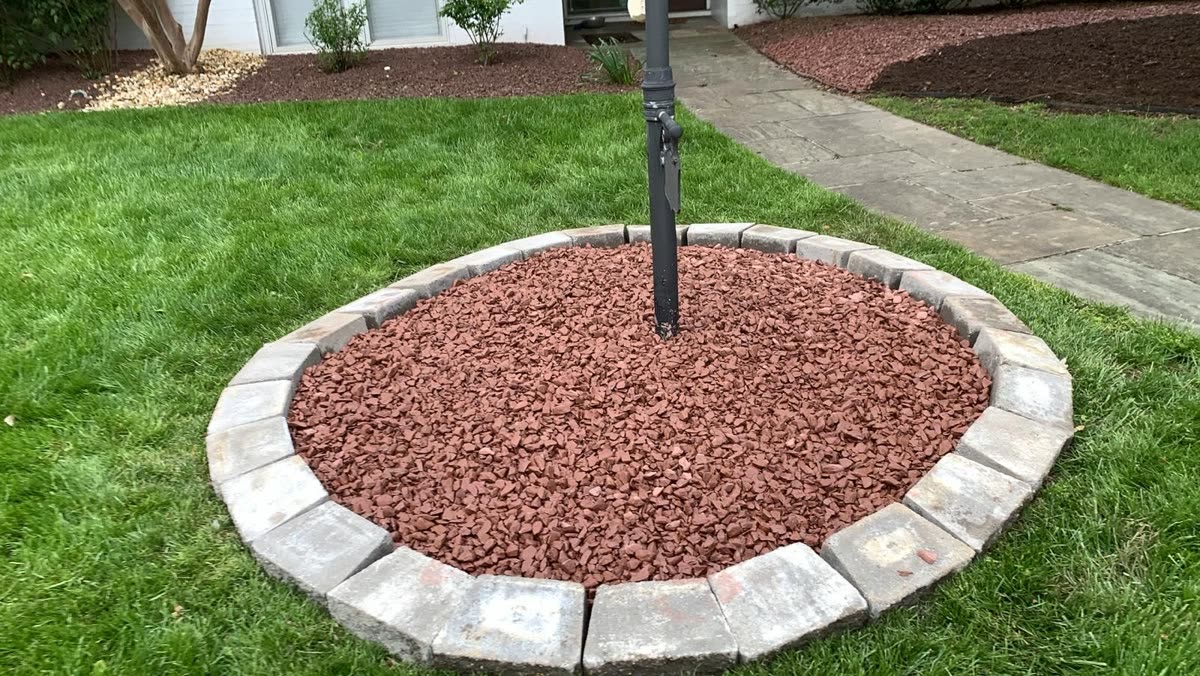
Sometimes the best answer is less lawn. Under a large tree, a bed of mulch, stone or shade-loving plants can look neat and need less care. Hostas, ferns and other shade plants can fill in where grass will not grow. Mulch keeps moisture in the soil and cuts down on weeds.
- Edge the bed. A clean edge makes the change look planned, not like a bare spot.
- Leave room at the trunk. Keep mulch a few inches away from the trunk so the bark stays dry.
- Mix plant heights. Tall, medium and low plants give the bed a full look.
- Use stone or pavers in heavy traffic spots. Paths and seating areas hold up better than grass.
Care Habits That Help a Shady Lawn
Watering and feeding need a different approach in shade. Water deeply but less often, so the roots reach down and the soil does not stay soggy. Shade grass often needs less fertilizer than sun grass. Too much feed can make it lush and weak.
- Rake leaves. Clear the damp layer so light and air reach the soil.
- Mow higher. Longer grass blades make more food for the plant.
- Keep foot traffic low. Shady turf is slow to recover from wear.
- Aerate when the soil is compacted. Loose soil helps roots spread under the tree.
When a Tree Needs More Than Pruning
Sometimes a tree is the bigger issue. Cracks, leaning trunks, large dead limbs or roots lifting the ground can be signs of trouble. Those problems call for a professional assessment, not a guess.
Tree removal and stump grinding are coordinated through a trusted tree-service partner. We can help you plan the work, walk the property with you and keep the rest of your yard in mind. Once the tree work is done, we can rebuild the lawn or beds around it.
Planning the Right Fix for Your Yard
Start with a simple plan. Decide how much lawn you really want under the tree. Think about how the space is used. Then choose the right mix of pruning, grass, beds and care.
A good plan works with the trees you have. It also keeps costs in line with your goals. For a yard in Owings Mills, Westminster, Towson or Eldersburg, the mix may look different. Local soil, shade and rain patterns all matter.
Green Diamond Landscaping LLC is a family-owned company based in Reisterstown. We help homeowners across Baltimore County and Carroll County with lawn care, landscaping and shady-yard planning. We serve Reisterstown, Owings Mills, Eldersburg, Sykesville, Westminster, Pikesville, Towson, Finksburg and Glyndon.
For regular grass care, see our lawn care services. To plan beds, edging and yard design, read about our landscaping services.
Tired of bare spots under the trees? Call Green Diamond at (410) 847-9393 for a free estimate. We walk the property with you before anything is scheduled, so you know what to expect.
Frequently Asked Questions
Why won't grass grow under my trees?
Grass needs sunlight, and tree canopies block much of it. Tree roots also take water and nutrients from the soil. Together, these make it hard for grass to fill in.
Should I prune a tree to help the lawn?
Light pruning can open the canopy and let more sun reach the ground. Remove dead, crossing and low branches. Ask an arborist to help, and avoid heavy cutting that can stress the tree.
What can I plant where grass will not grow?
Mulch beds, stone areas and shade-loving plants work well under trees. Hostas and ferns are common choices. Keep mulch away from the trunk.
Does Green Diamond give free estimates?
Yes. We offer free estimates and walk the property with you before anything is scheduled. Call (410) 847-9393 to set up a visit.