
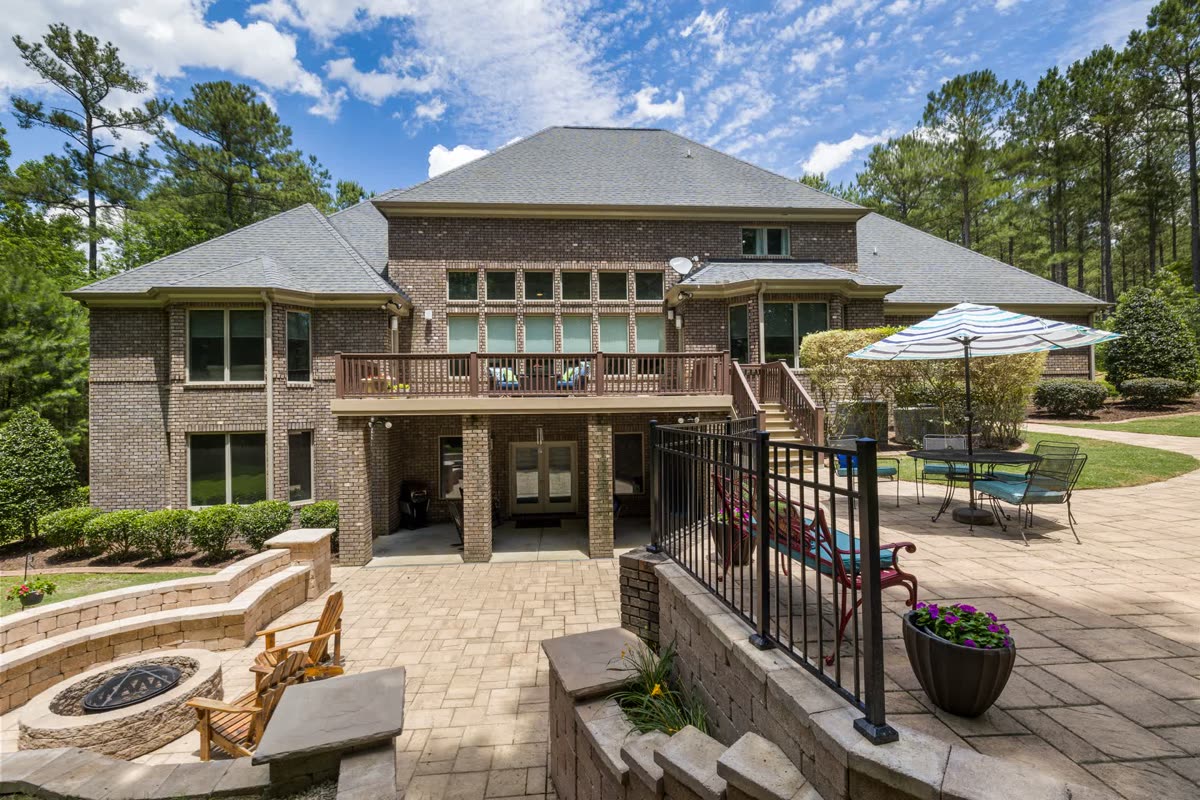
A paver patio quote depends on a few main factors. The size and shape of the patio matter, and so does the base underneath it. The pavers you choose, the work needed to remove the old surface, and how easily crews and materials can reach the backyard all play a part too. Knowing these factors helps you compare quotes and ask better questions before you sign anything.
Size and Layout
Size is the most obvious factor. A larger patio uses more pavers, more base material, more edging, and more labor. A small, simple rectangle is usually the least complex job. A larger patio with a fire pit area, a walkway, or a seat wall adds work at every stage.
Layout matters too. Think about how you will use the space. Do you want room for a dining table, a grill, and a path to the back door? Plan those details early. Changes made after the base is built can be expensive and slow.
Shape and Curves
Straight edges and square corners are easier to build. Curves, circles, and angled borders take more time. Each curved edge needs careful cutting, and cut pieces often have to fit around one another. A pattern such as herringbone also takes more labor than a basic running bond. If you like a custom look, ask your crew how the shape will affect the plan and the schedule.
Simple shapes can still look great. Many homeowners get a strong result with a clean rectangle, a soft curve on one side, and a border in a contrasting color.
The Base Makes or Breaks the Patio
The base is the layer that holds the patio in place for years. It sits under the pavers and is usually made of crushed stone that is laid in layers and compacted. The base needs the right depth and a slight slope so water drains away from the house. Skipping or shortcutting this step is one of the most common reasons a patio sinks, heaves, or shifts.
Maryland winters bring freeze and thaw cycles. Water that gets into a weak base can push pavers up in spring. A deep, well-compacted base helps the patio handle those cycles. Ask your crew what depth they plan to use, how they will compact each layer, and how they will slope the surface.
Removing an Old Patio or Surface
If you already have concrete, an old brick patio, or a deck to remove, that work adds to the plan. Demolition takes time, and the debris has to be hauled away. Old concrete may also need to be broken up before the new base can be built. Ask whether the quote includes removal and hauling, or whether those tasks are separate.
Materials and Finish
Paver choices range from concrete pavers to natural stone. Each one has its own look, texture, and installation needs. Some materials are heavier or harder to cut. Some need special sealers or joint sand. Edging also varies. Plastic, metal, and stone edging each have different costs and benefits.
Ask your crew to explain why they recommend a specific material for your yard. A good answer will mention how the paver handles sun, water, and freeze and thaw. It should also connect to the way you plan to use the patio.
Site Access
Access can change the job more than many homeowners expect. A narrow side yard, a tight gate, or a long walk from the driveway means crews have to carry materials by hand or move them with smaller equipment. Tree roots, steep slopes, and buried utilities also add time. Before you get a quote, walk the route from the street to the backyard with your crew. Point out any gates, fences, or low branches they should know about.
Access also affects the mess. Let your crew know where the materials can be stacked and where the soil can go. Clear decisions up front make the work smoother for everyone.
Drainage and Slope
Water is the enemy of any paver patio. The surface needs a slight slope away from the house, and the base has to let water move down and out. If water pools on the surface, the pavers can shift over time. Ask how the crew plans to direct runoff, especially if your yard already has wet spots or drains toward the patio.
In some Maryland yards, a patio can change how water flows across the lot. A good plan looks at the whole yard, not just the spot where the patio sits.
Permits and Town Rules
Some projects need a permit or must follow local rules. Check with your town or county before you plan the work. Ask your crew whether they expect any requirements for your project. Clear rules up front can prevent delays later.
How to Compare Quotes
A useful quote lists the work in plain terms. It should cover the removal of any old surface, the base depth, the paver type, the edging, the joint sand, and the cleanup. Be careful with a quote that lists only a total and no detail. Ask what each line includes. Ask what is not included, so you are not surprised later.
Compare quotes on the same scope. Two quotes that look different may describe different patios. Take notes on the questions each crew answers well.
Start With a Walk-Through
The best way to understand your patio quote is a walk-through of the property. Green Diamond walks the yard with you before anything is scheduled. We look at the space, the slope, the access route, and the way you plan to use the patio. Then we explain the options in plain language.
Green Diamond Landscaping LLC is a family-owned company based in Reisterstown, MD. We serve homes within about 25 miles of Reisterstown, across Baltimore County and Carroll County, including Owings Mills, Towson, Westminster, and Eldersburg. Hardscaping and stone work are part of our services, and we respond to requests the same day.
If you are ready to plan a paver patio in Reisterstown or nearby, call Green Diamond at (410) 847-9393 for a free estimate. We will walk the property with you and help you choose the right plan for your yard. You can also learn more about our hardscaping work before you call.
Frequently Asked Questions
What is the biggest factor in a paver patio quote?
Size is the most obvious factor, but the base, the removal of any old surface, and site access also have a large effect on the work and the plan.
Why does the base matter so much?
The base holds the pavers in place. A weak or poorly compacted base can let the patio sink, shift, or heave, especially after freeze and thaw cycles.
Does a curved shape make a patio harder to build?
Usually, yes. Curves and angled borders need more cutting and fitting, and that adds time to the job.
Do I need a walk-through before getting a quote?
A walk-through is the best way to get an accurate plan. Green Diamond walks the property with you before anything is scheduled.